
Understanding the Connection Between Energy Use and Heating Systems
Energy consumption is a significant concern for many today, especially with rising utility costs. One of the major contributors to energy use in homes and businesses is the heating, ventilation, and air conditioning (HVAC) system. By understanding how these systems work and their effect on energy usage, you can make informed decisions that lead to cost savings and improved efficiency.
The Importance of Efficient Systems
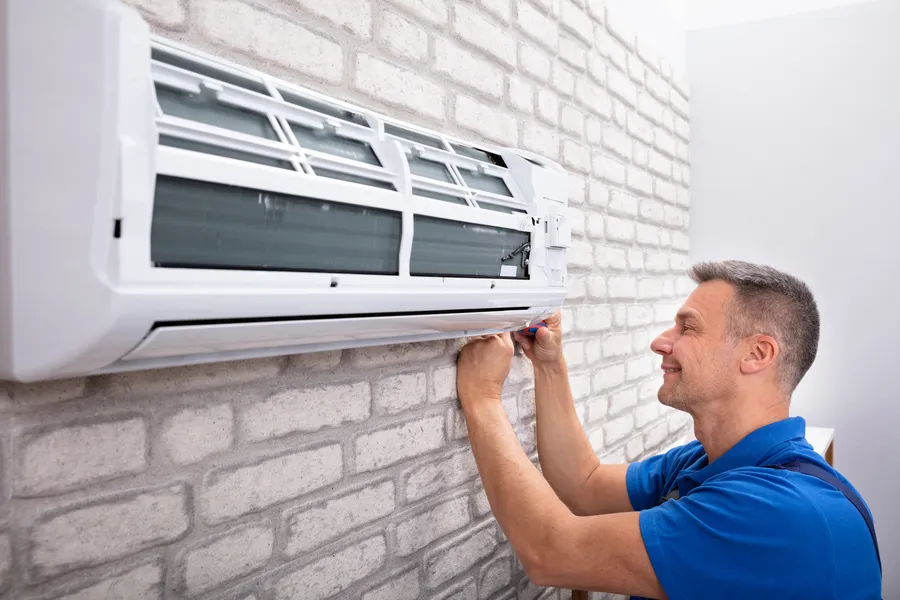
Efficient heating and cooling systems play a crucial role in reducing energy consumption. When an HVAC installation is done correctly, it ensures that the system operates at its highest efficiency level. This not only reduces energy bills but also minimizes environmental impact. A well-installed system uses less power because it runs smoothly without unnecessary strain or energy loss.
Selecting the Right Equipment
Choosing the right equipment is vital when planning an HVAC installation. Modern units are designed with energy-saving technology that significantly cuts down on power usage. Opting for high-efficiency models can result in lower operational costs over time. These systems often come with advanced features such as programmable thermostats, which further aid in managing energy use effectively.
The Role of Proper Maintenance
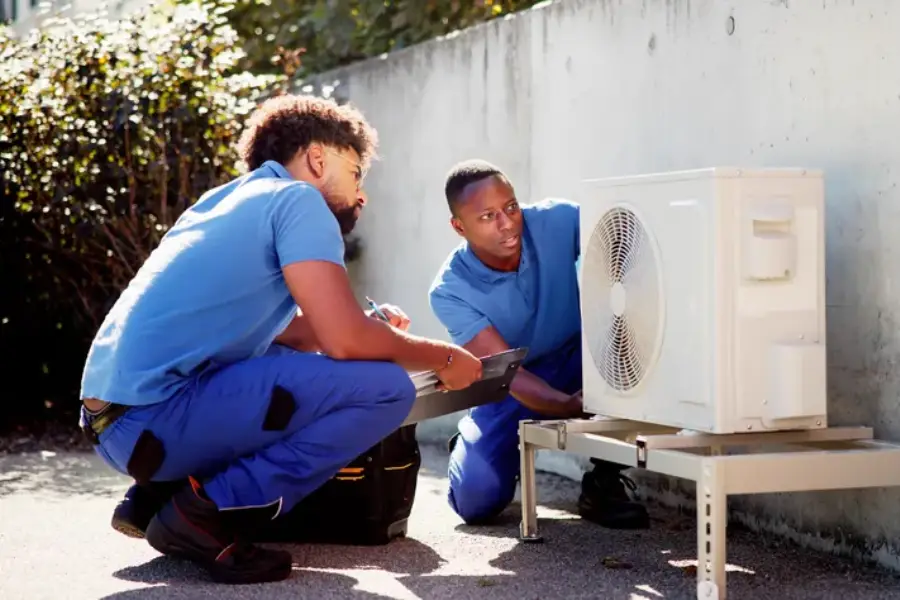
Regular maintenance is essential for maintaining system efficiency after an HVAC installation. Scheduled check-ups help identify potential issues before they become major problems, ensuring that your system continues to operate efficiently. This practice includes routine tasks like cleaning filters, checking for leaks, and calibrating controls, all of which contribute to optimal performance.
Benefits of Smart Technology Integration
Integrating smart technology into your heating and cooling setup offers numerous benefits. Smart thermostats allow for precise control over temperature settings, learning your preferences and adjusting automatically to conserve energy. These devices provide insights into your consumption patterns, enabling you to make data-driven adjustments that enhance efficiency.
- Monitor energy use remotely through apps
- Receive alerts for maintenance needs
- Automate climate control based on occupancy
Common Challenges and Solutions
One common challenge in optimizing energy consumption is dealing with older systems that lack efficient components. Retrofitting existing units with modern parts can offer a solution. Another issue is improper sizing of units during initial installation, which leads to inefficiencies. Consulting with professionals helps avoid these pitfalls by ensuring correct sizing and specifications.
Cost Considerations You Should Know
While investing in new equipment or upgrades might seem expensive upfront, the long-term savings justify the costs. Energy-efficient systems reduce ongoing expenses through lower utility bills. Additionally, many regions offer rebates or incentives for upgrading to more efficient technologies, providing further financial relief.
- Evaluate current system performance
- Consult professionals for recommendations
- Consider long-term savings versus initial costs
- Explore available rebates and incentives
Your Path to Efficient Energy Management
Taking control of your energy use starts with evaluating your current system’s efficiency. With expert guidance from Flash Property Services LLC, you can explore options tailored to your needs. Give us a call at (903) 221-2822 to begin this journey toward greater efficiency today. Our dedicated team serves clients throughout Grand Prairie, TX, ensuring top-notch service every step of the way.